

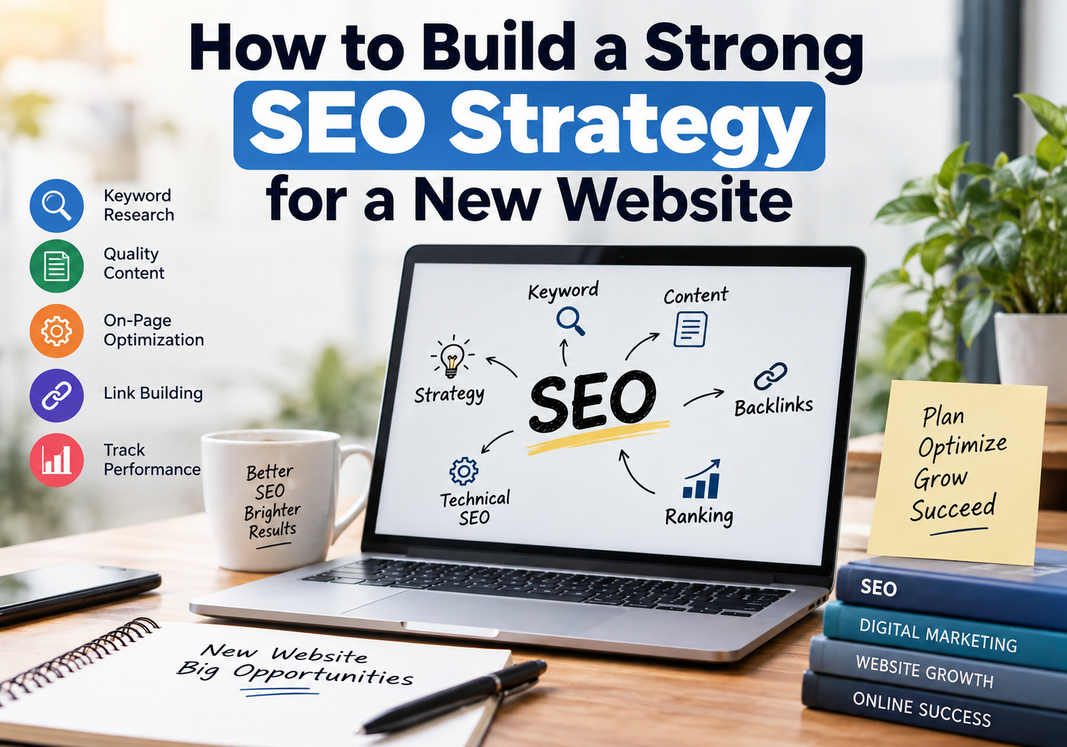

Launching a website is really exciting but getting people to come to it can be hard. Search Engine Optimization, which is called SEO helps your website show up when people look for things on search engines. These things could be products, services or information connected to your business. A good SEO plan can make your website more visible online, bring in people, and help your business grow over time.
For a website SEO should not be seen as something you do once and then forget. It needs planning, good content changes to make the website work better and checking on it often. No matter if you are making a website for a business a blog, an online store or a site about something, like tractor equipment, the way to use SEO can help you find the people you want to reach.
1. Understand Your Target Audience
Before you begin SEO take time to know who you are trying to reach. Think about the people you want to attract. Who are they? What do they care about? What challenges are they facing?. What kind of information do they look for online?
Ask yourself these questions:
- What questions do your audience keep asking?
- What kinds of products or services are they interested in?
- What problems are they trying to solve with what they search?
- What words do they type into Google when they look for answers?
- What kind of content helps them feel confident, in their choices?
Knowing how your audience searches online lets you build content that actually fits what they want. It’s not about filling your website with keywords; it’s about using them naturally and where they add value. It’s about creating content that answers their needs.
2. Conduct Keyword Research
Keyword research is one of the important steps in an SEO strategy. Keywords are the terms and phrases users enter when searching online.
For a website it is often better to start with relevant long-tail keywords. These keywords usually have a specific search intent and can be easier to target than highly competitive broad terms.
You can divide keyword into groups, such as:
- Informational keywords
- Commercial keywords
- Transactional keywords
- Navigational keywords
- Local keywords
Choose keyword that are relevant, to your business and create content based on what users want to know.
3. Create a Clear Website Structure
A simple website structure helps both visitors and search engines easily understand your website.
Organise the pages on your website into categories and use descriptive URLs. For example the main navigation on your website could include Home, About Us, Products or Services, Blog and Contact.
Make sure the important pages on your website are easy to reach from the homepage. Avoid creating levels of navigation because a complicated structure can make it harder for users and search engines to find the important content, on your website.
4. Optimize Your On-Page SEO
On-page SEO is about making each page so that search engines can understand what it’s about.
Important parts to focus on are:
- SEO- page titles
- Meta descriptions
- H1 and H2 headings
- Descriptive URLs
- Natural keyword usage
- Internal links
- Image alt text
- original content
The main keyword should appear naturally in key parts of the page.. Don’t overdo it. Search engines are built to understand topics and the meaning, behind words. So the content should be written first for people.
5. Publish Useful and Original Content
Content plays a role in a long‑term SEO strategy. A new website should often share information that answers real questions from its target audience.
Begin by writing a detailed articles about your main topic. Then write supporting articles that cover questions and subtopics.
For example of posting random blog posts build content clusters around important subjects. A main guide can link to supporting articles, which creates a relationship, between related pages.
Good content should be:
- Original
- Accurate
- Easy to read
- Relevant to the audience
- structured
- Updated when necessary
6. Focus on Technical SEO
Technical SEO makes it easier for search engines to crawl, interpret, and index your website. Technical SEO shows search engines how to explore and learn about your website.
For a website check the following technical elements. For a website review these key technical items.
- Friendly design
- Fast page loading
- HTTPS security
- XML sitemap
- Robots.txt file
- Canonical tags
- Proper internal linking
- Clean URL structure
- Correct redirects
- Search engine indexing
You should also monitor Core Web Vitals and fix major technical issues that can affect the user experience. You should also keep an eye on Core Web Vitals. Solve any major technical problems that hurt the user experience.
Google Search Console can help website owners identify indexing problems, search performance and other technical issues. Google Search Console helps website owners identify indexing issues, monitor search performance, and detect technical problems.
7. Build Internal Links
Internal linking joins one page of your website with another page. Internal linking helps you find information and gives search engines more context about your website structure.
When you publish an article find older relevant pages that can be linked naturally. Also update articles by adding links to useful new content.
Use meaningful link text that clearly describes the destination instead of phrases like “click here.”
8. Earn Quality Backlinks
Backlinks are links that come from websites to your own website. These links can help your site gain trust and show up often in search results.. It’s not about how many backlinks you have. It’s about how good and relevant they’re. You should aim for backlinks from websites that’re related to your topic.
You can get backlinks by sharing things like:
- Original research that others want to talk about
- Helpful resources that people find valuable
- Industry articles that give useful information
- Digital PR efforts that get media attention
- Expert contributions to trusted sites
- Guest posting on websites that match your niche
- Shareable guides and infographics that otherswant to share
Don’t buy a lot of low-quality links. That can hurt your site’s ranking and lead to problems with search engines. Focus on quality, over quantity.
9. Optimize for Local Search
If your business serves a place local SEO can help you reach customers who live nearby.
Improve your Google Business Profile. Keep your business info the same on websites. Post content that matters for the place you serve.
Local keywords are also useful when local keywords match the services and places your business serves.
10. Track Your SEO Performance
SEO needs monitoring. Use tools such as Google Search Console and Google Analytics to see how your website is doing.
Track metrics such, as:
- Organic clicks
- Impressions
- Search rankings
- Organic traffic
- Engagement
- Indexed pages
- Conversions
Do not judge SEO by rankings. Look at whether organic visitors reach pages and take meaningful actions.
Conclusion
Building a SEO strategy for a new website takes time, consistency and proper planning. Start by understanding your audience and researching keywords. Then create a website structure publish useful content improve technical SEO build internal links and earn relevant backlinks.
SEO is not about achieving results. It is a long-term process that improves as your website gains content, authority and trust. By following an approach and regularly reviewing your performance you can build a stronger foundation, for sustainable organic growth.
Author Bio:-
Kalyani Giri
Kalyani is a digital marketer and content writer, also freelance working for companies like Khetigaadi.com (selling new or used tractors). With a strong understanding of digital trends and audience needs, she focuses on delivering clear, value-driven content that helps readers make better decisions and builds a strong online presence for the brand.